
Tanzania from the Saddle

Exploring, rather than following a map
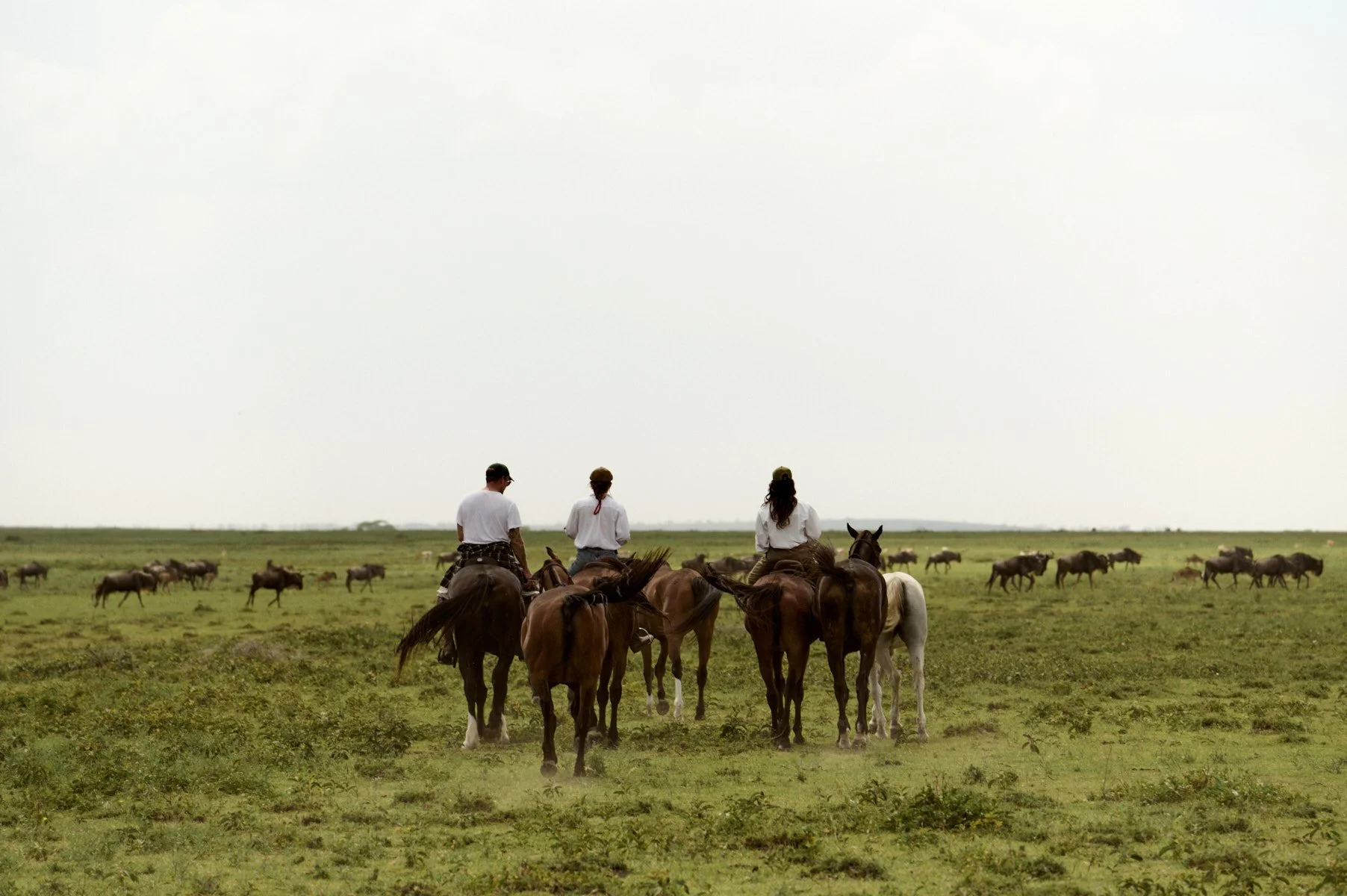
For us, a horse safari is not about following a fixed route from one camp to the next.
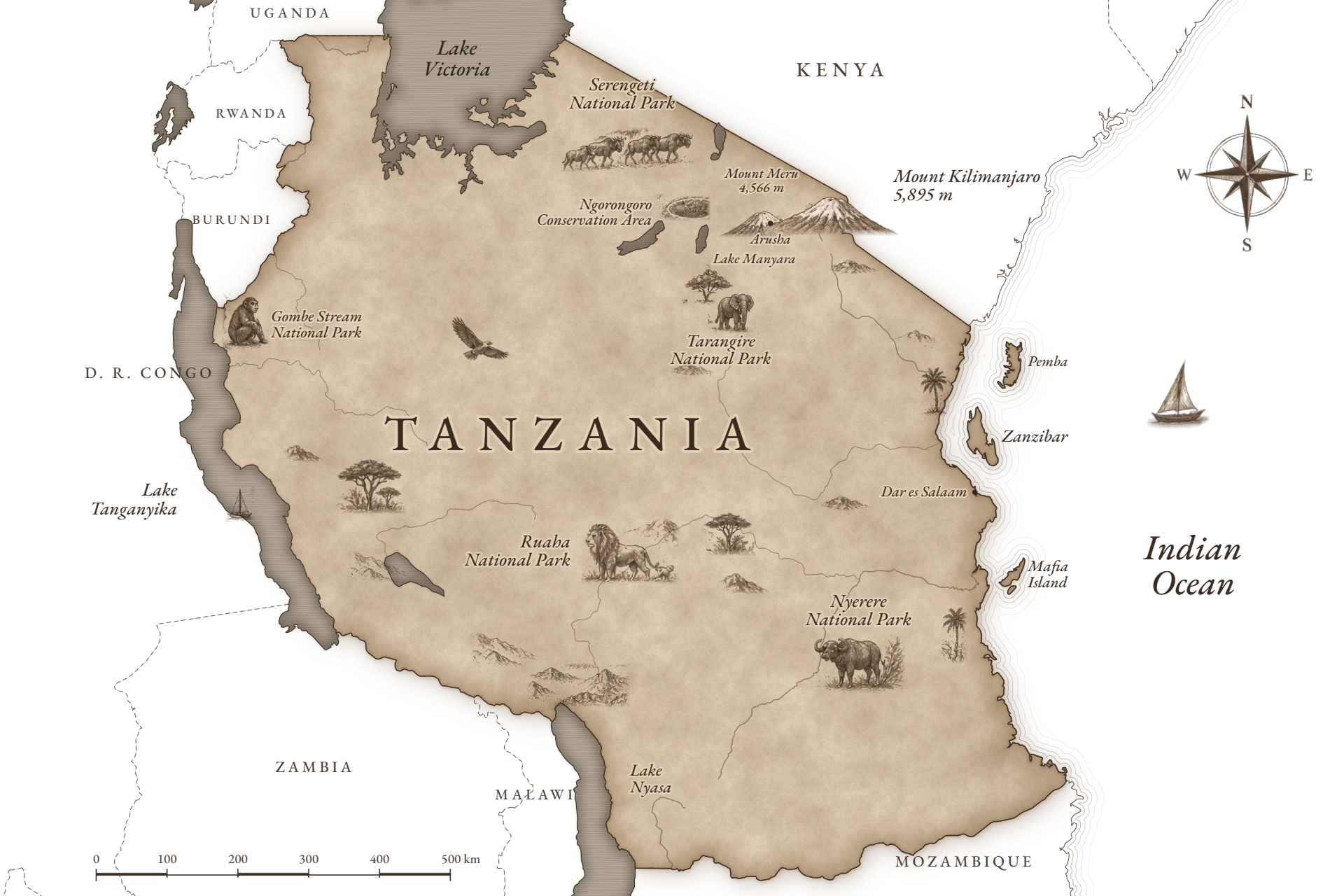
We love getting out there and exploring. We look for new areas, follow the seasons, discover different landscapes and, whenever possible, take the less-travelled route. Some of our favourite days are the ones where there is no perfectly planned road ahead of us—just the horses, the wilderness and the feeling of wondering what is around the next corner.
That spirit of exploration is at the heart of what we do.
-
The Horses
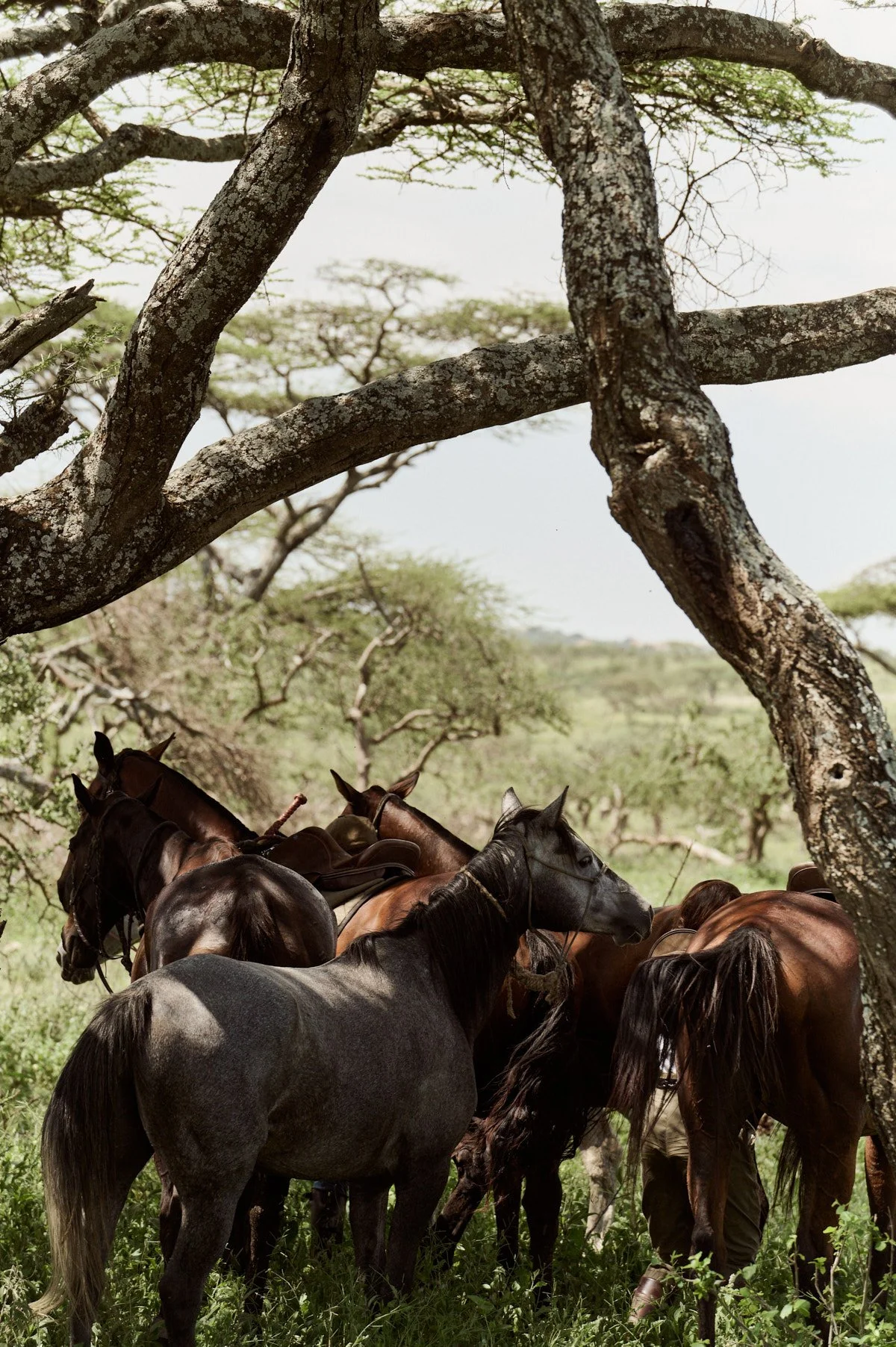
Our horses are at the very heart of Tanzania Horse Safaris, and we are incredibly proud of the diverse and characterful herd we have built over the years.
-
Under Private Canvas
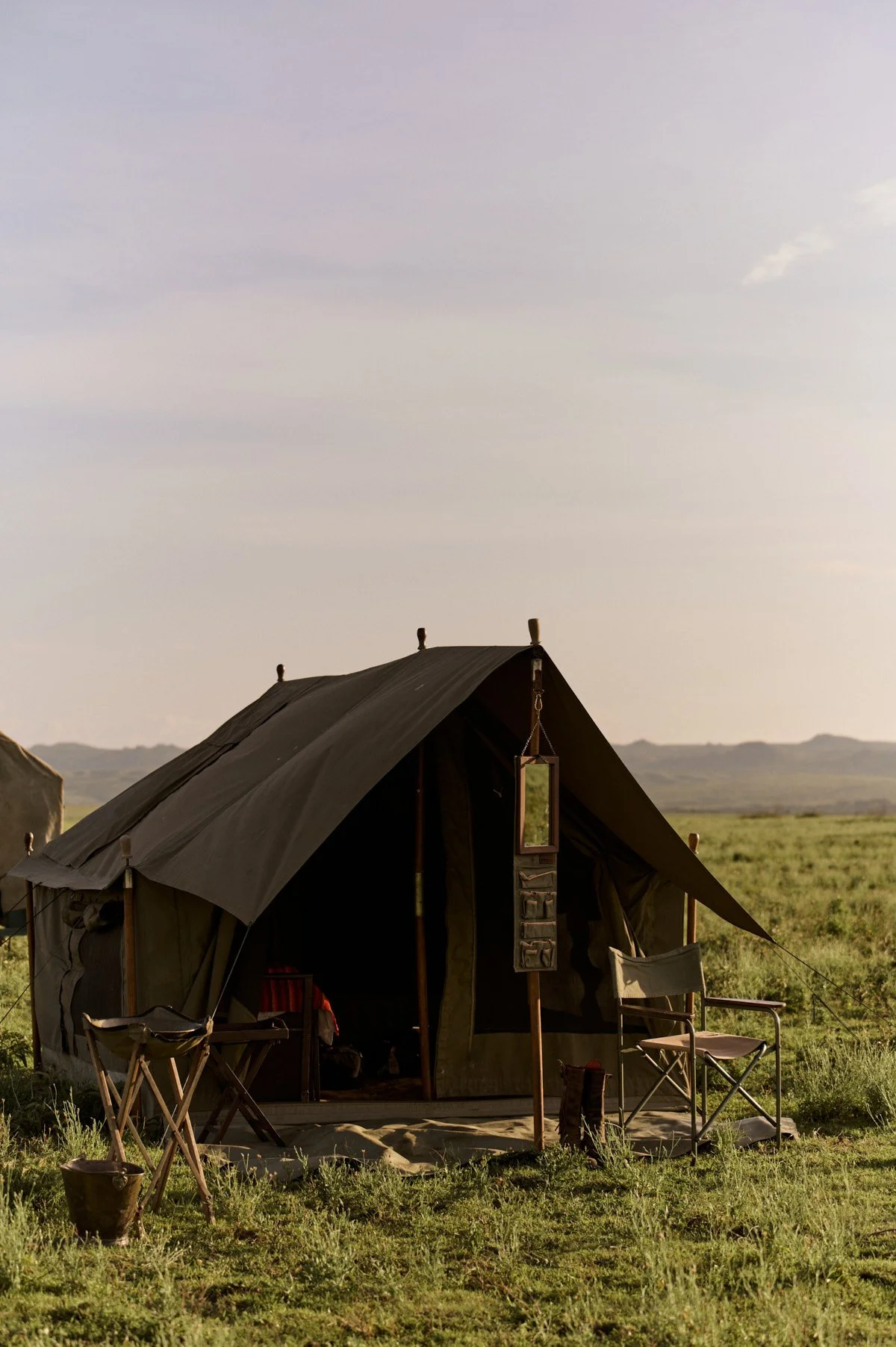
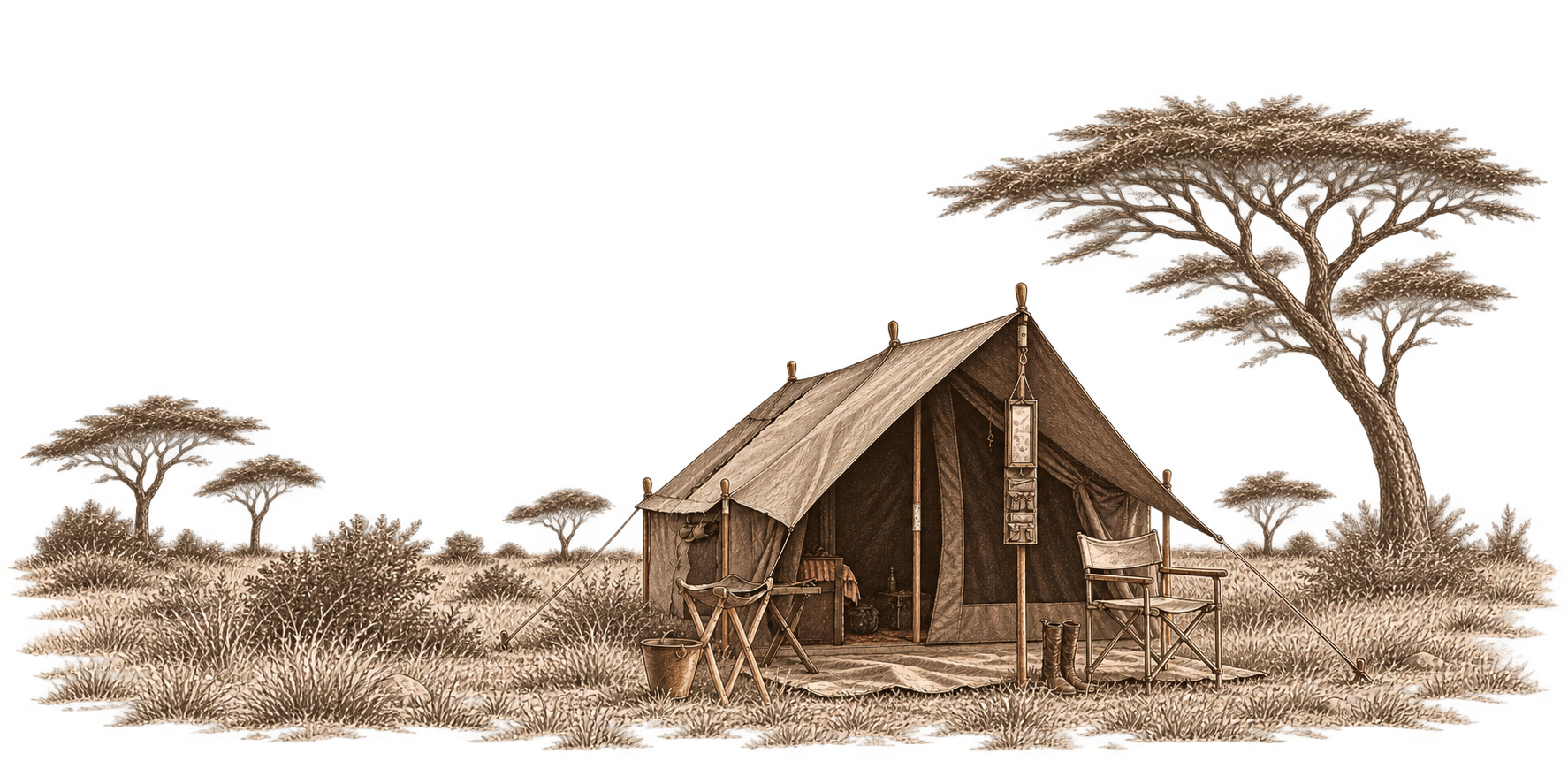
Our mobile camp is a homemade, tailor-made safari camp, designed and built from scratch by our own team. Everything has been thought through around the way we like to travel: comfortable enough to feel like home, but light enough that we can keep moving with the horses.
-
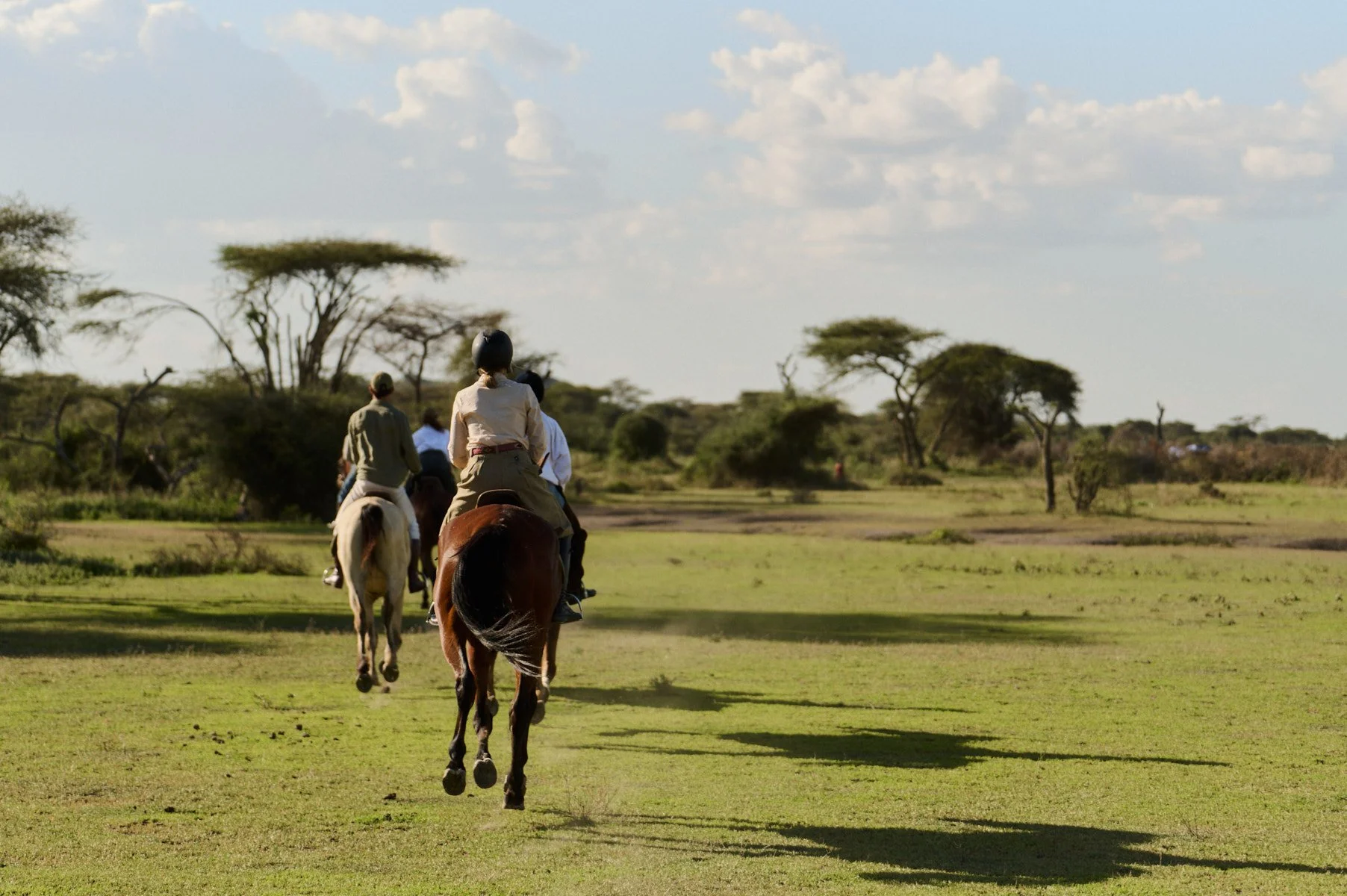
Our Safaris
We run fast-paced, adventurous horse safaris for those who want to feel the wind, the freedom and the thrill of being out in the wild.
-
The Community
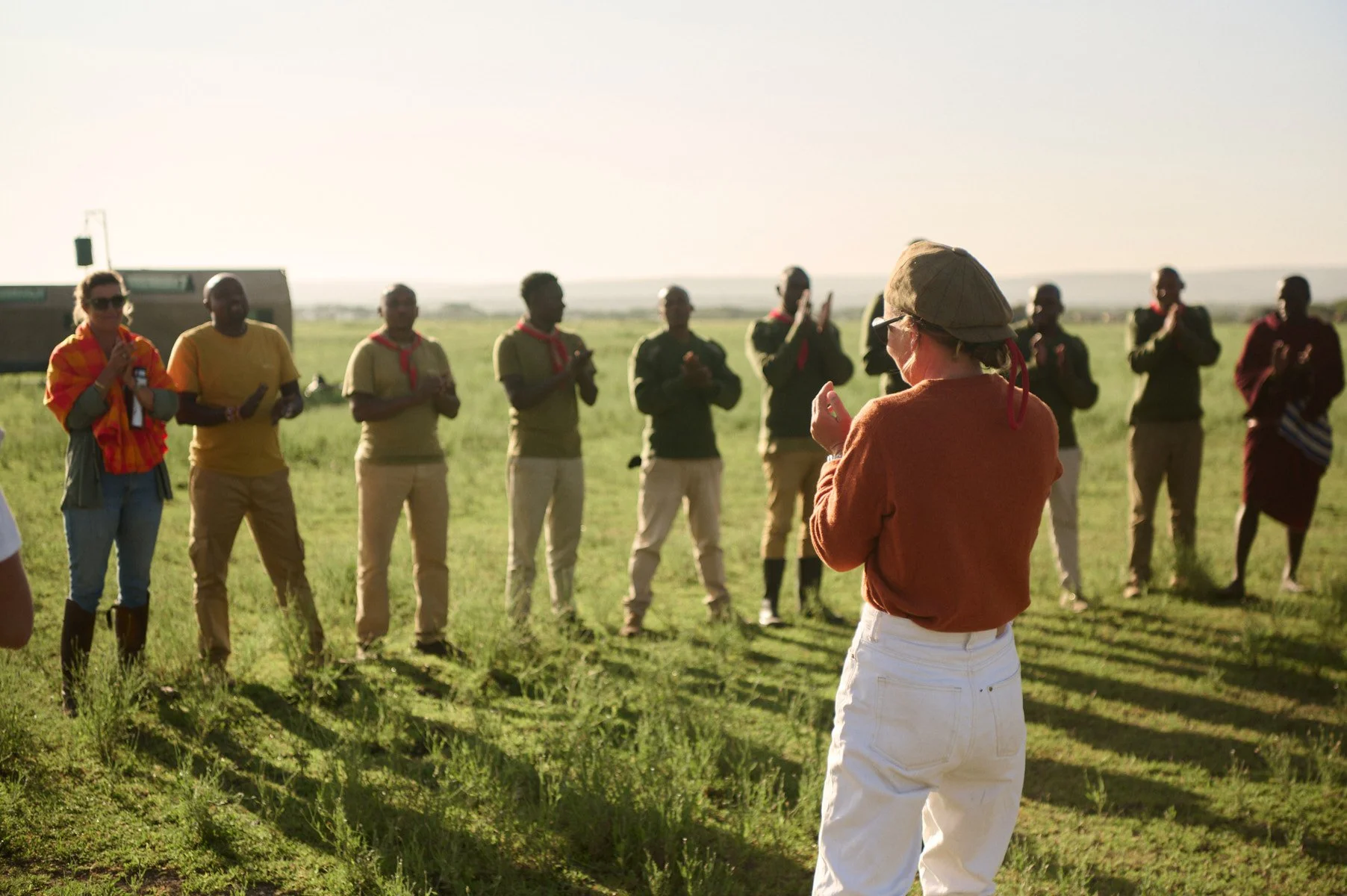
Tanzania Horse Safaris is just as much about people.
We are incredibly proud of our core crew—the people who work alongside us, ride with us, look after the horses and make every safari possible. They are a huge part of why we do this. Over the years, they have become far more than a team; they are part of the family.

“This isn’t a safari where you watch Africa go by. You are in it.”
Before you ride
The questions we are asked most often. Already booked? Complete your forms in the Guest Portal before you travel.
-
Our safaris are for experienced riders only. You should be confident and in control at all paces over varied terrain, able to ride one-handed, rise to the trot and hold a balanced light seat at the canter and gallop over longer distances.
-
Yes. The maximum rider weight is strictly 85 kg (13.5 stone). Other arrangements may be possible subject to availability, but must be requested well in advance.
-
Most safaris start and end at Kilimanjaro International Airport (JRO). Your passport must be valid for at least six months. Most nationalities need a visa: 50 USD per person (100 USD for US citizens), bought on arrival or online at visa.immigration.go.tz. Proof of yellow fever vaccination is required if you arrive from, or transit through, a country with yellow fever risk.
-
Soft, waterproof bags rather than hard suitcases, and nature-coloured clothing (white, beige, khaki or green) that you have ridden in before. Bring your own helmet and chaps, as we don’t keep riding gear in camp, plus long-sleeved shirts, a light raincoat, sunglasses, sunscreen, insect repellent and a head torch. Light aircraft transfers allow 15 kg per person, including hand luggage.
-
Yes. Non-riding friends and family can join the adventure on vehicle, cycling or walking safaris. Children are welcome depending on their riding ability; on group departures the minimum age is 14, and they must be confident and strong enough to ride a full-sized horse.
-
The dry season, from May to October, is cooler and the most popular time to ride. The long rains (Masika) fall from mid-April to May, and the short rains (Mvuli) from November to mid-January.
-
Full medical and travel insurance is required, and the details must be sent to us before arrival. Many policies only cover riding injuries if a helmet was worn. We cover emergency medical evacuation only.
-
Tips aren’t mandatory, but they are part of Tanzanian culture and much appreciated by the crew. As a guide, we suggest 30 USD per guest per night for the shared crew tip (270 USD for a full safari). Lead guides are tipped separately, around 500 USD per guest per safari.